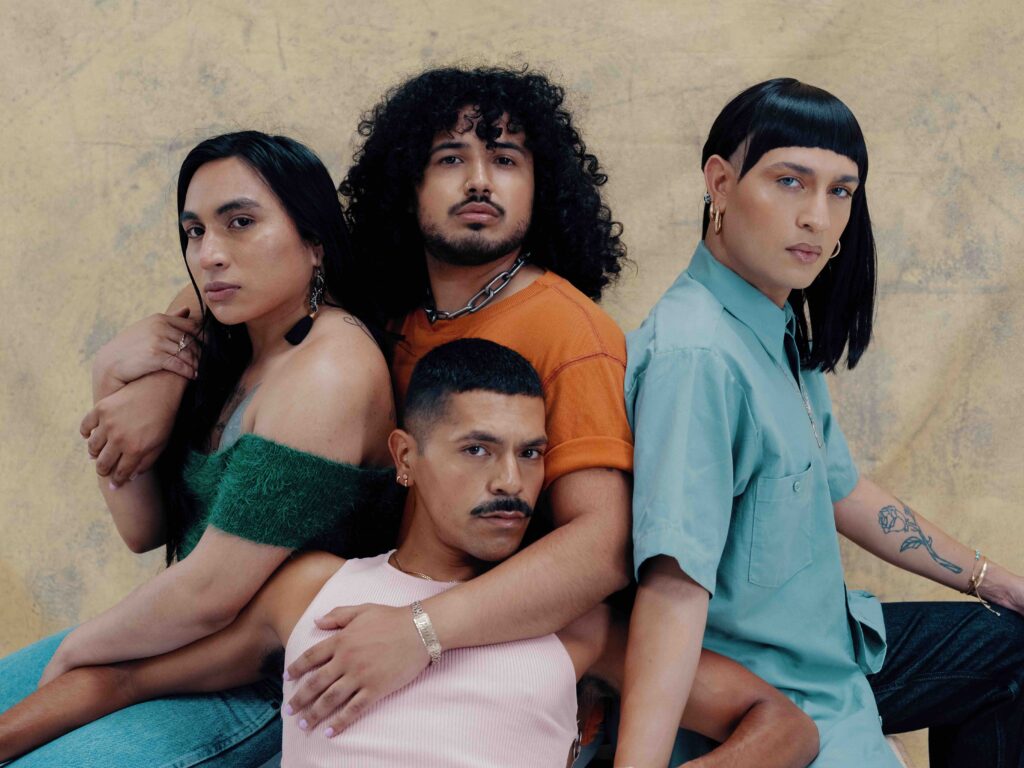
Introduction: The Bonds That We Choose
We are taught that family is our first and primary shelter: bound by blood, law, and tradition. But what happens when that shelter becomes the source of the storm? For marginalized communities, particularly LGBTQ+ people, the answer has been a beautiful, resilient act of creation: the Chosen Family. This is not a rejection of origin, but a vital expansion of the heart’s territory. It is love assembled, intentional, and radical.
A Legacy of Necessity
The concept of chosen family is not new; it is a historical lifeline. During the AIDS crisis of the 1980s and 90s, when thousands of gay men were abandoned by biological relatives, it was friends, partners, and community members who became nurses, advocates, and mourners. They held vigils, fought for medical care, and created systems of support where institutions failed. These bonds, forged in grief and activism, proved that family is defined by action, not accident.
The Architecture of a Chosen Family
Unlike biological families, chosen families are built on explicit, consensual pillars:
- Unconditional Affirmation: Members see and celebrate your true identity without reservation.
- Mutual Aid: Support is practical—a couch to crash on, a home-cooked meal during hard times, shared resources.
- Shared Vocabulary and Experience: An inherent understanding of coded language, shared struggles, and inside jokes born from a common journey.
- Intentional Rituals: Creating new traditions for holidays, birthdays, and milestones that include and honor all members.
Why It’s More Than Just “Friends”
Calling it “just friends” minimizes its profound depth. A chosen family often fulfills the core emotional functions of a traditional family: it is a primary source of belonging, identity, security, and care. It is the first call in an emergency and the first celebration in a triumph. For transgender youth facing homelessness, a chosen family can be the difference between survival and devastation.
A Universal Human Blueprint
While vital for LGBTQ+ survival, the concept speaks to a universal human need. Think of the military veteran whose closest confidants are fellow service members, or the immigrant community that becomes a surrogate clan in a new country. We all have circles that function as chosen family—people who’ve seen us through transformative chapters. LGBTQ+ communities have simply refined this art out of stark necessity, offering a blueprint for more intentional, compassionate human connection for everyone.
Honoring the Bridges
This is not a simplistic narrative of “bad blood family vs. good chosen family.” Many navigate complex, painful, and hopeful relationships with both. The chosen family often provides the strength to engage with or heal biological ties. It’s a sanctuary that makes other challenging relationships survivable.
Conclusion: The Future of Kinship
The rise of the chosen family challenges rigid societal structures. It declares that love, care, and commitment are verbs we can choose to direct. It expands the world’s capacity for belonging. In a time of increasing loneliness and fractured social bonds, this ancient, radical practice of building our own hearths and tribes is perhaps one of the most important lessons the queer community offers the world: that family is not just something you’re born into. It is something you can build, something you can become, and something that can save your life.